
"Hormone Hierarchy: The 80/20 Hormone Rule to Peak Health & Aesthetics"
- Roberto Folleri
- Oct 28, 2024
- 5 min read
Why Targeting Key Hormones Like Cortisol, Insulin, and Oxytocin Transforms Health Faster Than Ever.
Hormones and weight management
Muscle mass and longevity
Hormone hierarchy
Oxytocin and cortisol balance
Insulin sensitivity and hormones
Biohacking for hormone balance

When it comes to health, hormones control almost every aspect of our well-being. From energy and mental clarity to metabolism and muscle maintenance, they set the tone for how we look, feel, and perform.
"Hormones rule the game; master them for unmatched results!"
For a truly sustainable approach to health, we must consider the hierarchy of our hormones—starting with the stress hormone cortisol and working up to oxytocin, the “love hormone.” Through balancing these hormones, we don’t just gain control over our aesthetics but also fortify the foundation of our mental and physical health.
What if I told you that your struggles with belly fat, restless nights, and low energy aren’t just about diet or willpower?
There’s actually a root cause—a hidden link in your hormonal hierarchy quietly tipping the scales.
For years, I faced the same frustrations: stubborn belly fat, sleepless nights, and constantly low energy. I’d tried it all—intense workouts, restrictive diets—but nothing seemed to stick. It wasn’t until I began exploring the deeper role of cortisol and its cascading effects on insulin, thyroid, and sex hormones that things finally started making sense. Realizing I’d been treating symptoms without addressing the real cause was a game-changer.
Understanding this hormonal flow helped me transform my approach, and now I’m here to help you do the same. Let’s tap into the real root for results that last!
The Role of Cortisol in Our Health—and Why It’s Tricky
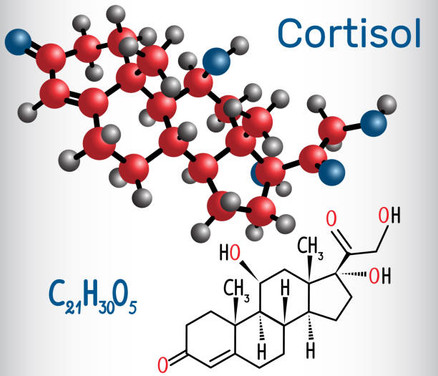
Cortisol, produced by our adrenal glands, is responsible for managing how we respond to stress. It’s meant to peak in the morning to help us wake up, then taper off at night to allow restful sleep.
However, chronic stress keeps cortisol elevated throughout the day, disrupting this natural rhythm. Elevated cortisol impacts our body’s insulin production, leading to weight gain—particularly around the abdomen—and fatigue. Disrupted cortisol levels can also lead to sleepless nights, anxiety, and metabolic disorders that extend to thyroid and sex hormone imbalances, affecting everything from libido to mental well-being.


Why Cortisol Leads to Insulin Resistance
When cortisol is out of balance, it influences blood sugar regulation, driving up insulin levels. Over time, this can lead to insulin resistance, a condition where the body's cells do not respond effectively to insulin, creating a cycle where the body begins storing more fat, increasing cravings, and making energy levels unstable. Insulin resistance has far-reaching impacts, including disrupting thyroid and sex hormones, and even contributing to PCOS and endometriosis in women.
Insulin Resistance and Muscle Breakdown
In a high-stress, high-cortisol environment, cortisol increases blood sugar in a process that "cannibalize" muscle mass to convert it into glucose to keep up with the demand for energy under stress.

Impact on Sex Hormones: The “Progesterone Steal”
The "progesterone steal" occurs when the body prioritizes cortisol production over progesterone due to chronic stress. This shift happens because all three hormones—cortisol, progesterone, and estrogen—share a common precursor called cholesterol. When the body is under constant stress, more cholesterol is directed toward cortisol production, leading to lower progesterone levels and disrupting the balance with estrogen and testosterone, which can result in various health issues like mood swings and weight gain.
"Stress steals your good hormones—prioritize peace to restore your progesterone and reclaim your "the dawn salute!"

Oxytocin: The Key to Stress and Hormone Balance
Oxytocin, the "cuddle hormone" is one of our body’s most influential regulators. Oxytocin can counterbalance cortisol, lowering stress and enhancing insulin sensitivity. Not only does this hormone improve glucose uptake and curb cravings, but it also positively impacts sex hormones, increasing libido and improving overall well-being.
Boosting oxytocin doesn’t require drastic lifestyle shifts. Instead, simple, meaningful actions like spending time with loved ones, cuddling pets, practicing mindfulness, and engaging in physical touch or social activities all contribute. These oxytocin-boosting activities can support a ripple effect, bringing hormonal balance, better mental health, and a lighter mood.

Muscle Mass: The Foundation of Longevity and Metabolic Health
Muscle mass is crucial for longevity and metabolic stability. Studies have demonstrated that muscle not only improves insulin sensitivity but also supports immune function and overall physical resilience. It’s clear that maintaining muscle is essential for aging well, but this doesn’t mean pushing our bodies to extremes. Excessive physical stress can raise cortisol, which works against muscle building and can lead to injury or burnout. Instead, a balanced, consistent training regimen aligned with your body’s recovery needs is key.
Sleep: The Unseen Anchor for Hormone Health
Sleep is a powerful regulator of hormones, especially cortisol. When we get adequate, restful sleep, cortisol levels follow their natural rhythm, helping to maintain insulin sensitivity, reduce cravings, and support immune function. Sleep disturbances, on the other hand, drive up cortisol, creating a cascade of hormonal imbalances that can disrupt thyroid, sex hormones, and overall mood stability. Prioritizing sleep hygiene—like setting a regular sleep schedule and creating a restful environment—has been shown to improve cortisol regulation and, consequently, support a healthy hormonal balance.
Building a Sustainable, Hormone-Friendly Lifestyle Strategy
A multi-layered, sustainable approach is essential to balancing hormones. Here’s a suggested framework:
Oxytocin-Boosting Activities: Engage in social connections, cuddling, spending time with pets, mindfulness practices, and physical therapy techniques to naturally boost oxytocin. This approach helps balance cortisol and promotes a positive hormonal chain reaction.
Circadian Nutrition: Eating in sync with natural hormone cycles can reduce inflammation and support insulin regulation. Focus on anti-inflammatory foods, balanced macronutrients, and minimizing refined sugars and processed foods.
Sleep Hygene: Prioritizing sleep hygiene—like setting a regular sleep schedule and creating a restful environment—has been shown to improve cortisol regulation and, consequently, support a healthy hormonal balance.
Balanced Training for Muscle Maintenance: Incorporate strength training that builds muscle without overwhelming your recovery. Avoid excessive high-intensity workouts, and instead adopt the 80/20 principle for consistent, sustainable gains.
Incorporate Biohacks for Stress and Cortisol Management: Proven techniques like cold exposure, red and infrared light therapy, hydrogen water, and vibroacoustic therapy are beneficial for balancing cortisol. Sauna and lymphatic massages help detoxify the body, while supplements like magnesium, ashwagandha, and adaptogens support hormonal stability.
ActiveOsteopathy: A Strategic, Holistic Approach to Health
My journey to hormonal balance wasn’t an easy one. I went through periods of physical and emotional stress that impacted my health, energy, and even sleep. Through personal experience and professional exploration, I found that true health isn’t about a single solution. It’s about strategic, multi-layered support that brings your body back into balance.
ActiveOsteopathy embodies this philosophy. We work to address every level of health, from cortisol management and oxytocin-boosting activities to sustainable muscle-building techniques and sleep strategies. A private consultation with us can help design a plan that supports your unique needs, with the ultimate goal of creating a sustainable, long-lasting approach to vitality and resilience.


Comments