
"Gut Health, Vagus Nerve & Adhesions: The Overlooked Connection"
- Roberto Folleri
- Oct 23, 2024
- 3 min read
When we think of gut health, we often focus on diet or probiotics. But did you know that adhesions in the intestinal tissue can disrupt the function of the NOTORIUS VAGUS NERVE and lead to a wide range of physical and physiological symptoms?
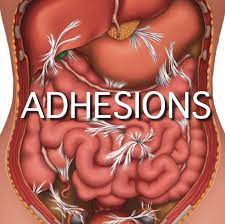
As we previously discuss. adhesions are bands of scar tissue that can form in the connective tissue of the intestines, often after surgeries like a C-section or appendectomy, or even because of Insufficient diaphragmatic breathing due to sedentary lifestyle.
However, they can also develop due to chronic inflammation, stress, or even poor dietary habits. These adhesions can "stick" internal organs or some part of them, together, preventing them from moving properly and affecting the surrounding nervous system.




The Vagus Nerve and Its Vital Role.
The vagus nerve, the "wandering nerve" that travels from your brain down to your gut, plays a major role in regulating digestion, heart rate, and even mood through neurotransmitter production (think serotonin and dopamine). But if adhesions compress or irritate the vagus nerve, its function is compromised.

When the vagus nerve tone is diminished, you may experience various symptoms such as:
Mental and Emotional Symptoms:
Anxiety & Depression: Impaired vagus nerve tone reduces the body’s ability to calm itself, leading to higher levels of anxiety and depression.
Brain Fog: Reduced vagus nerve function can impact focus, concentration, and cognitive sharpness.
Impaired Neurotransmitter Production: Lower production of serotonin, dopamine, and GABA, leading to mood imbalances and stress sensitivity.
Less Tolerance to Stress: An inability to switch from "fight or flight" mode to "rest and digest," causing chronic stress and irritability.
Physical Symptoms:
Fat Accumulation (Especially Belly Fat): Chronic stress, driven by poor vagal tone, triggers cortisol overproduction, leading to fat storage, particularly around the midsection.
Sleep Issues (Insomnia): Disrupted circadian rhythms and vagus nerve dysfunction can make it harder to relax, fall asleep, and stay asleep.
Digestive Problems: Slow digestion, constipation, bloating, and IBS due to poor gut-brain communication.
Heart Rate Variability (HRV) Issues: Vagus nerve dysfunction lowers HRV, which is an indicator of poor cardiovascular health.
Weakened Immune Response: Less efficient immune system, making the body more prone to infections and inflammation.
Chronic Inflammation: Impaired vagus nerve tone reduces the body’s ability to regulate inflammation.
Difficulty Breathing: Dysfunction in vagal tone can affect breathing patterns, causing shallow or erratic breathing.
Additional Symptoms:
Reduced Physical Performance: Fatigue, low energy, and muscle weakness due to impaired nervous system regulation.
Loss of Appetite or Overeating: Disrupted vagal signals can affect hunger cues and lead to poor eating habits.
Low Libido: Stress hormone imbalances caused by vagus nerve issues can diminish sex drive.
Blood Pressure Fluctuations: The vagus nerve helps regulate blood pressure, so dysfunction can lead to erratic blood pressure changes.

This is partly due to impaired neurotransmitter production caused by vagal dysfunction.
The Importance of Neurotransmitters.
The vagus nerve is deeply involved in the production of key neurotransmitters, particularly serotonin (the mood stabilizer) and GABA (the calming chemical). When vagal tone is reduced, so is the production of these crucial brain chemicals, resulting in mood disturbances, anxiety, and heightened stress responses.
How to Address This?
Manual therapies like visceral osteopathy work to release adhesions in the abdominal area, allowing for better organ mobility and, consequently, improved vagal tone.




Similarly, deep diaphragmatic breathing exercises help stimulate the vagus nerve, promoting relaxation and a better "gut-brain" connection.
By combining movement-based therapy and manual techniques, you can significantly improve both gut and nervous system health.
So, if you’ve been feeling physically out of balance, experiencing digestive issues, or battling unexplained mood swings, it might be time to address the hidden tension in your gut.


Comments